Jesus in the Cell
Radu Gyr.
Noutăți și texte din atelier.
Radu Gyr.
Two voices.
Silence.
Calls for awakening.
The Modern Era.
Signs through vibration.
The Accuser
The inner vibration.
Emotional filter.
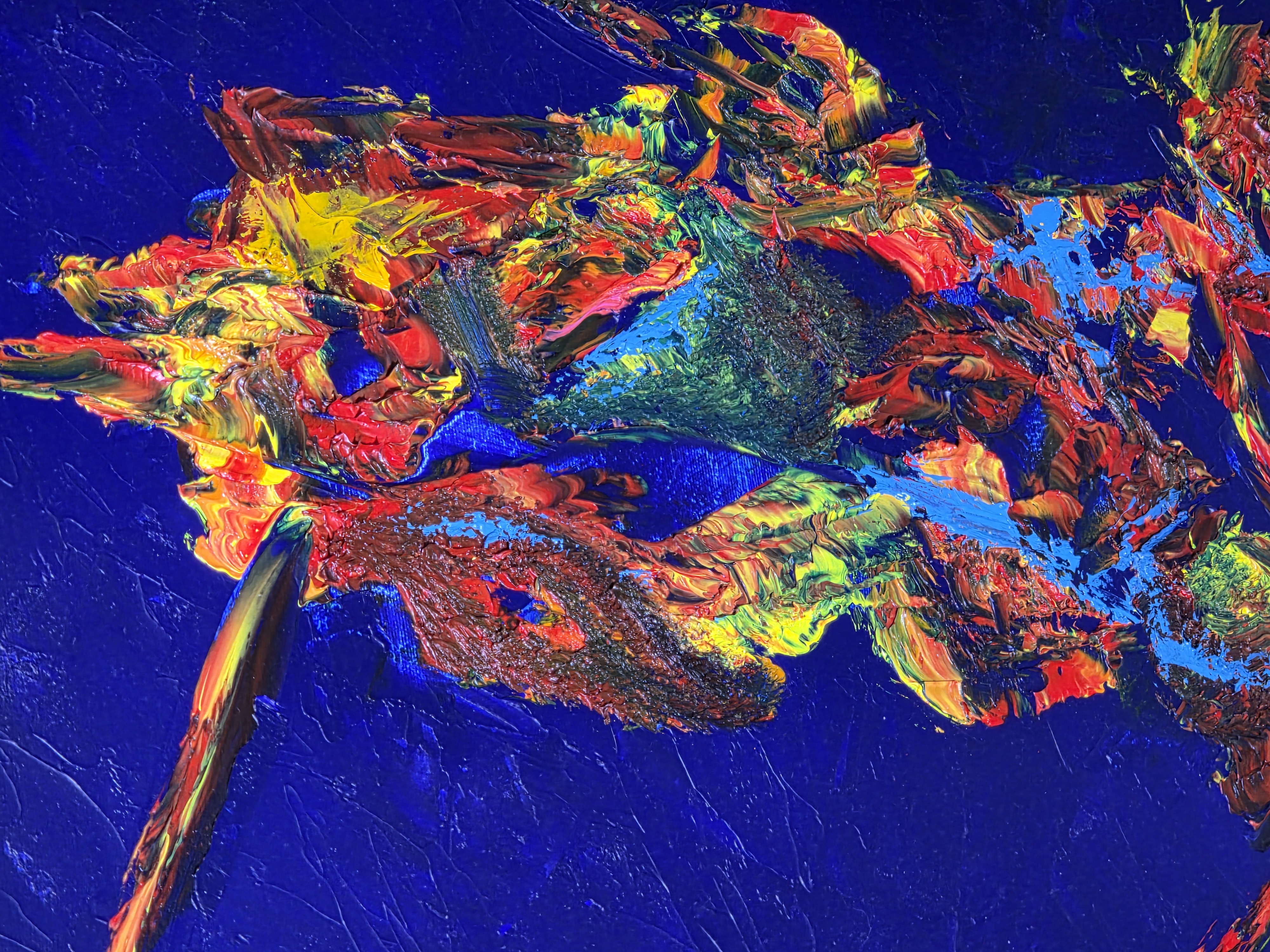
Beyond fear.
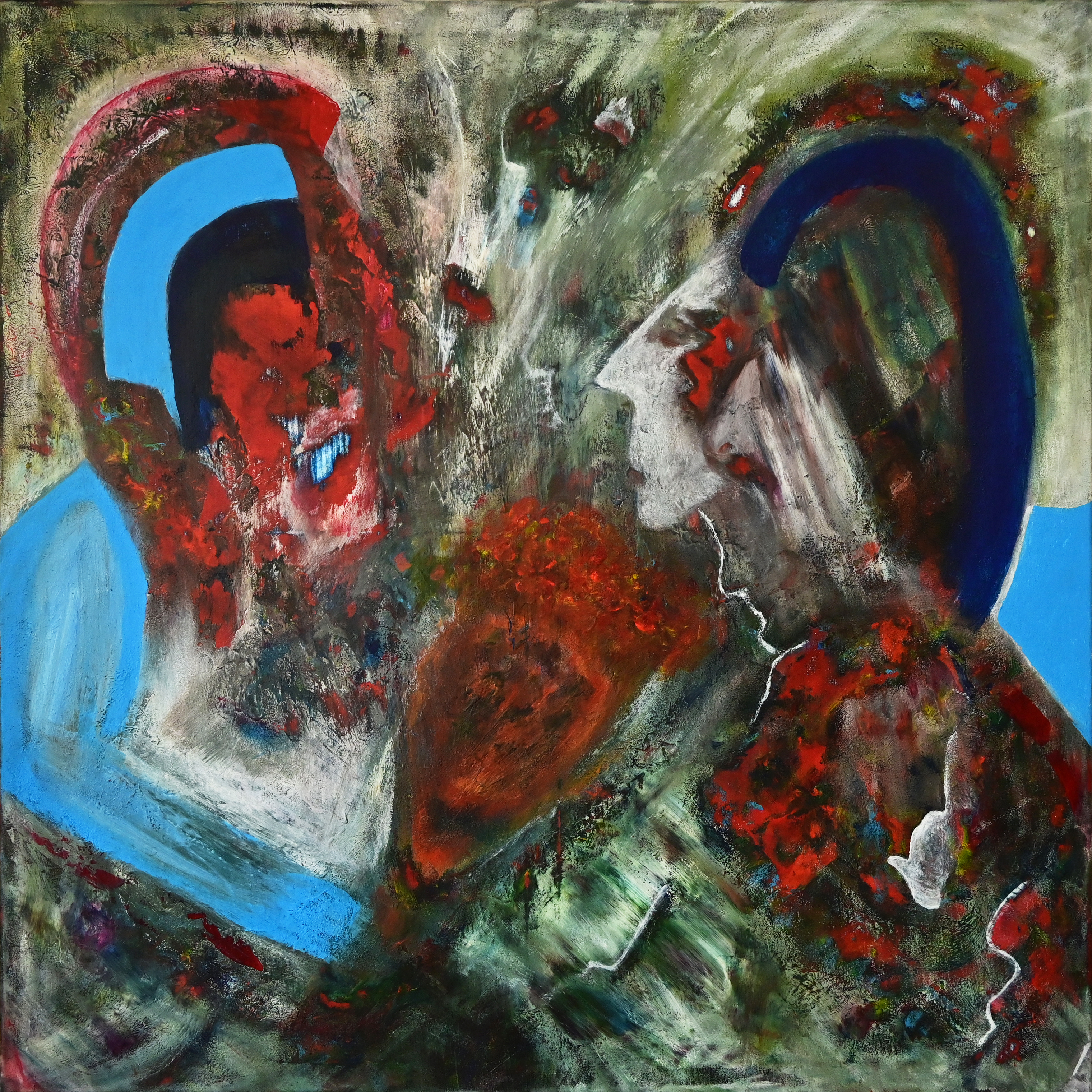
Without explanations.
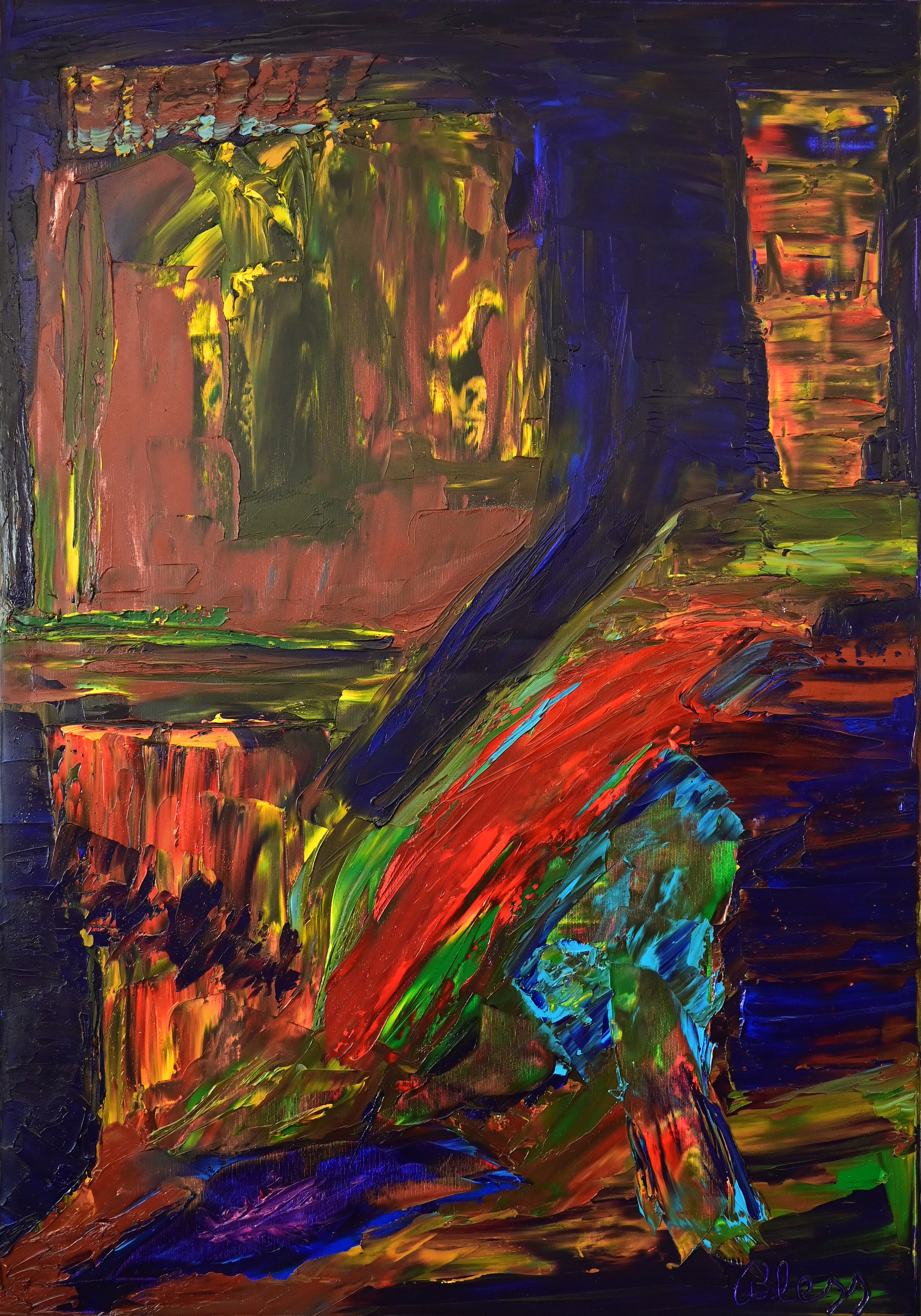
Every attempt.
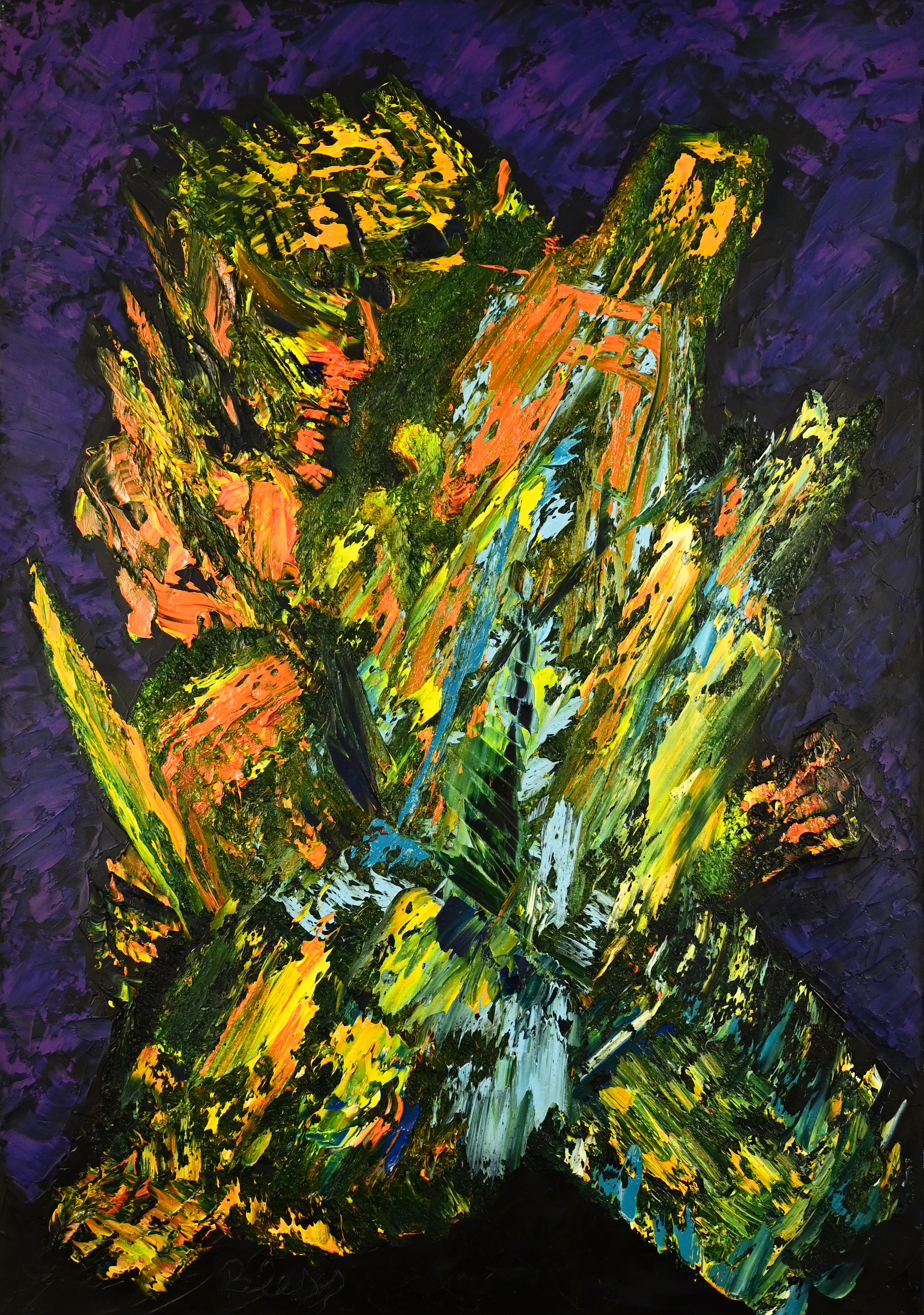
Leaves traces.
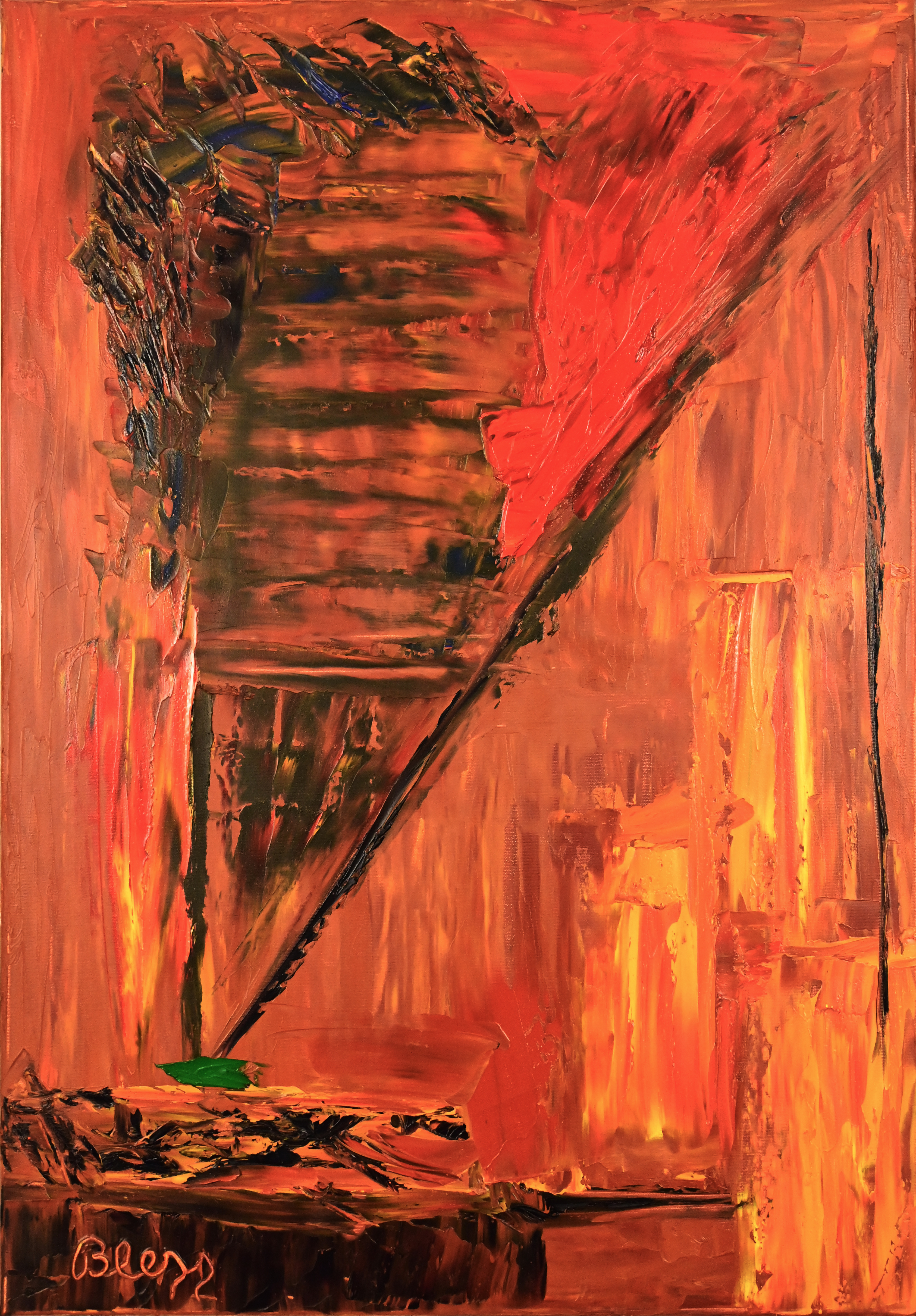
Memory, impulse, and survival.
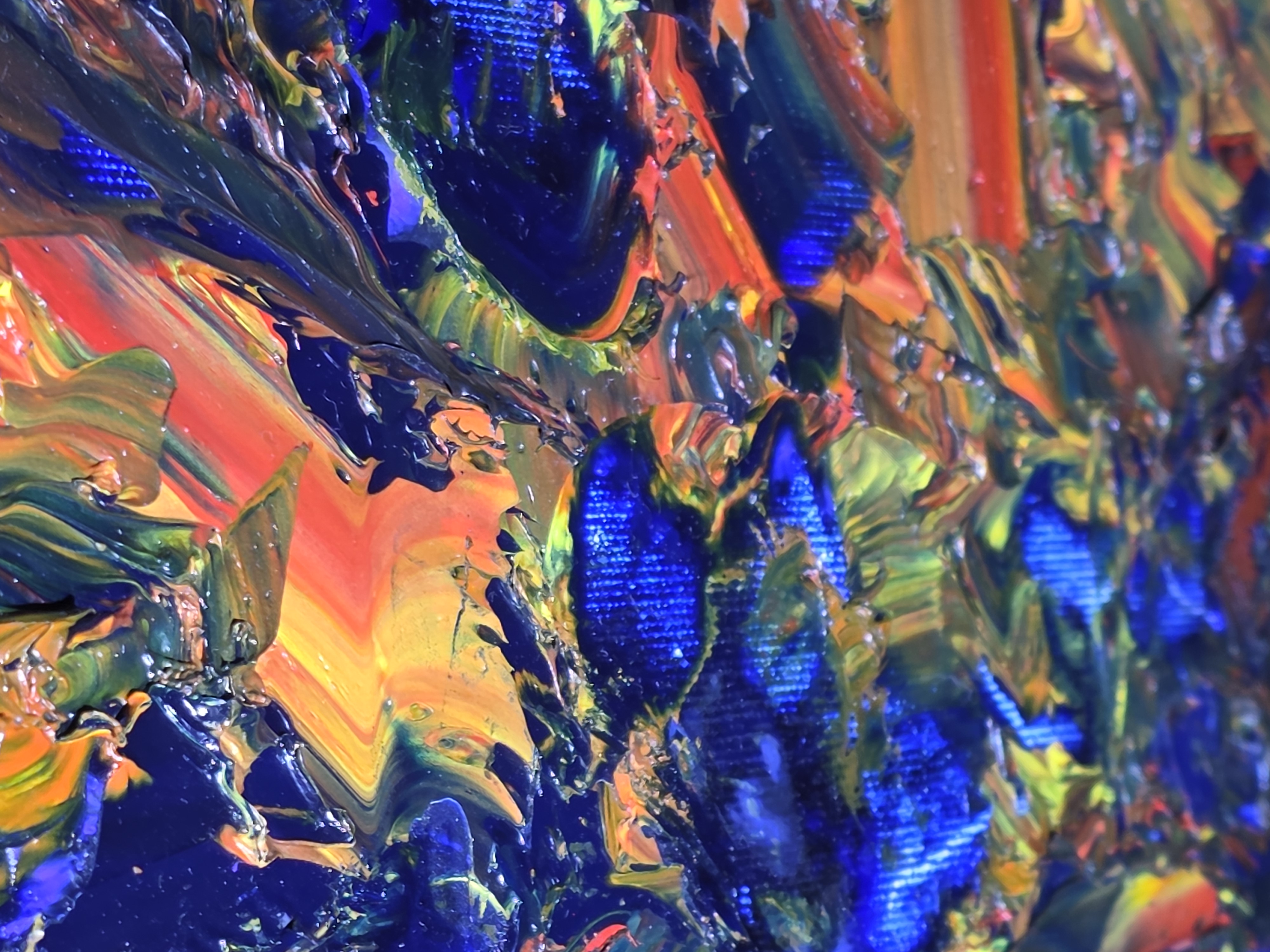
Consciousness begins to breathe.
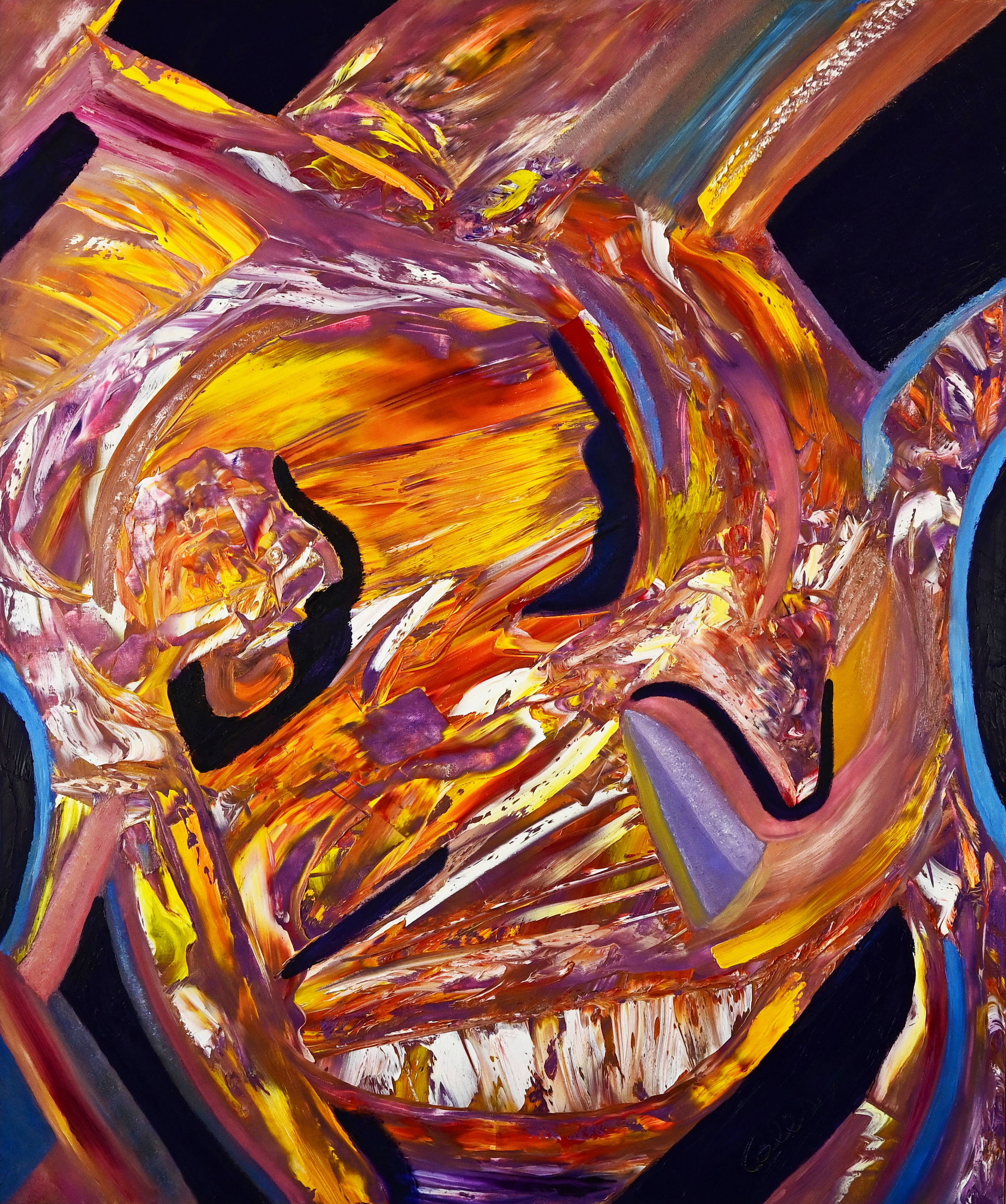
Man looks at the sky as a backdrop, while the universe traverses him at every moment. The movement of planets, the breath of stars, the unseen gravity of galaxies compose a huge order in which human existence pulses like a spark carried through eternity. Every cosmic vibration touches matter, water, memory, and spirit. The Earth itself breathes under the influence of an infinite mechanism, and man, composed of the same ancient light as the stars, carries within him the echo of the entire universe. True wisdom begins at the moment when consciousness understands that life does not unfold separately from the cosmos, but within it, as part of a sacred architecture, where everything communicates through light, energy, and meaning.
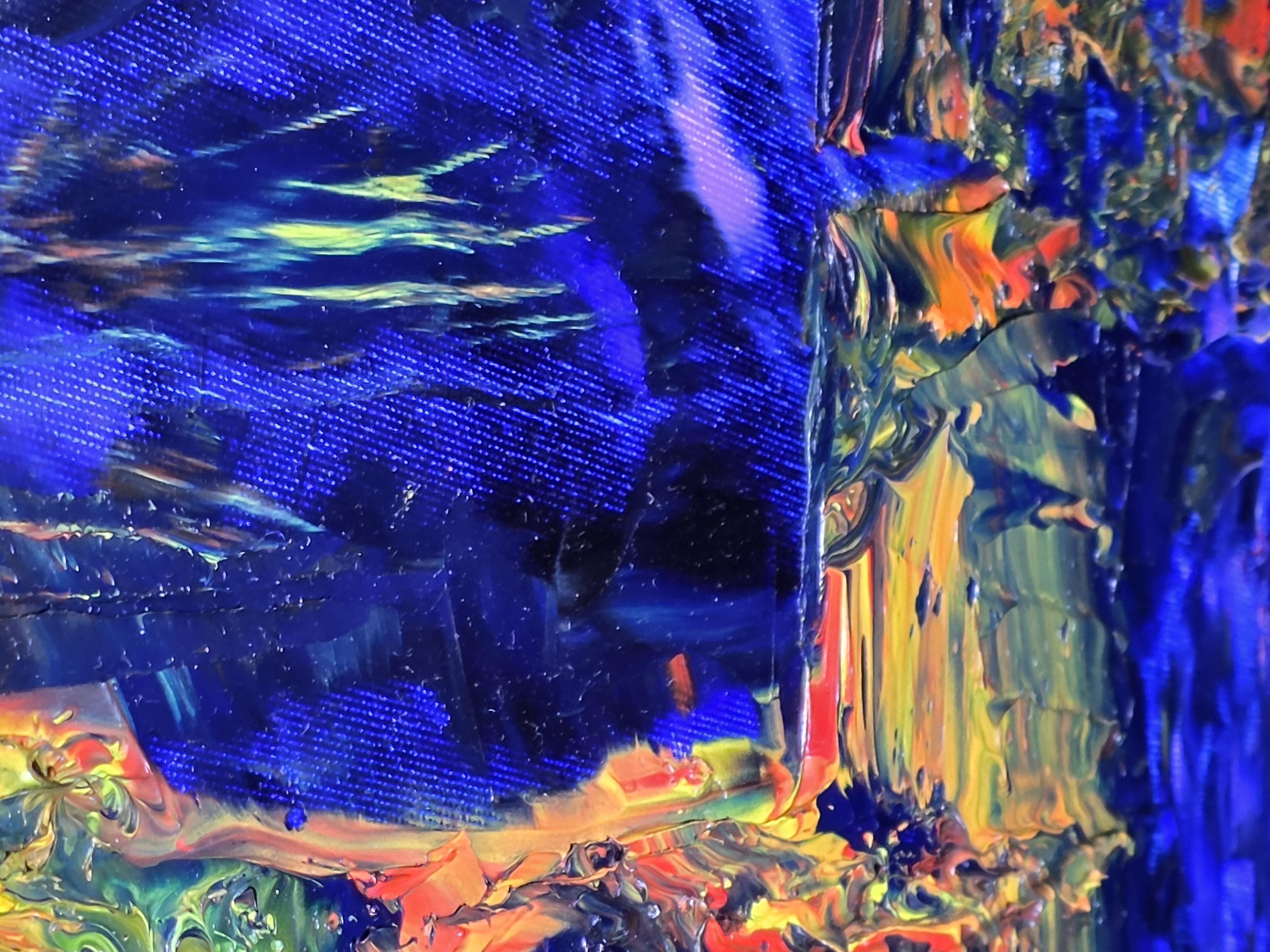
Troubled eras produce hurried people to lead and increasingly rare souls capable of understanding direction. In the midst of this collective fever, the spirit remains the only authentic form of orientation, the only truth that continues to shine when power changes its voices and interests change their faces. The world carries its anxiety today like an invisible crown. Beyond calculations, doctrines, and the spectacle of influence, man is once again seeking his center, the place where consciousness breathes without fear and where inner light is worth more than the approval of a lost era. Every time receives its salvation through those who choose verticality even when darkness becomes the official language.
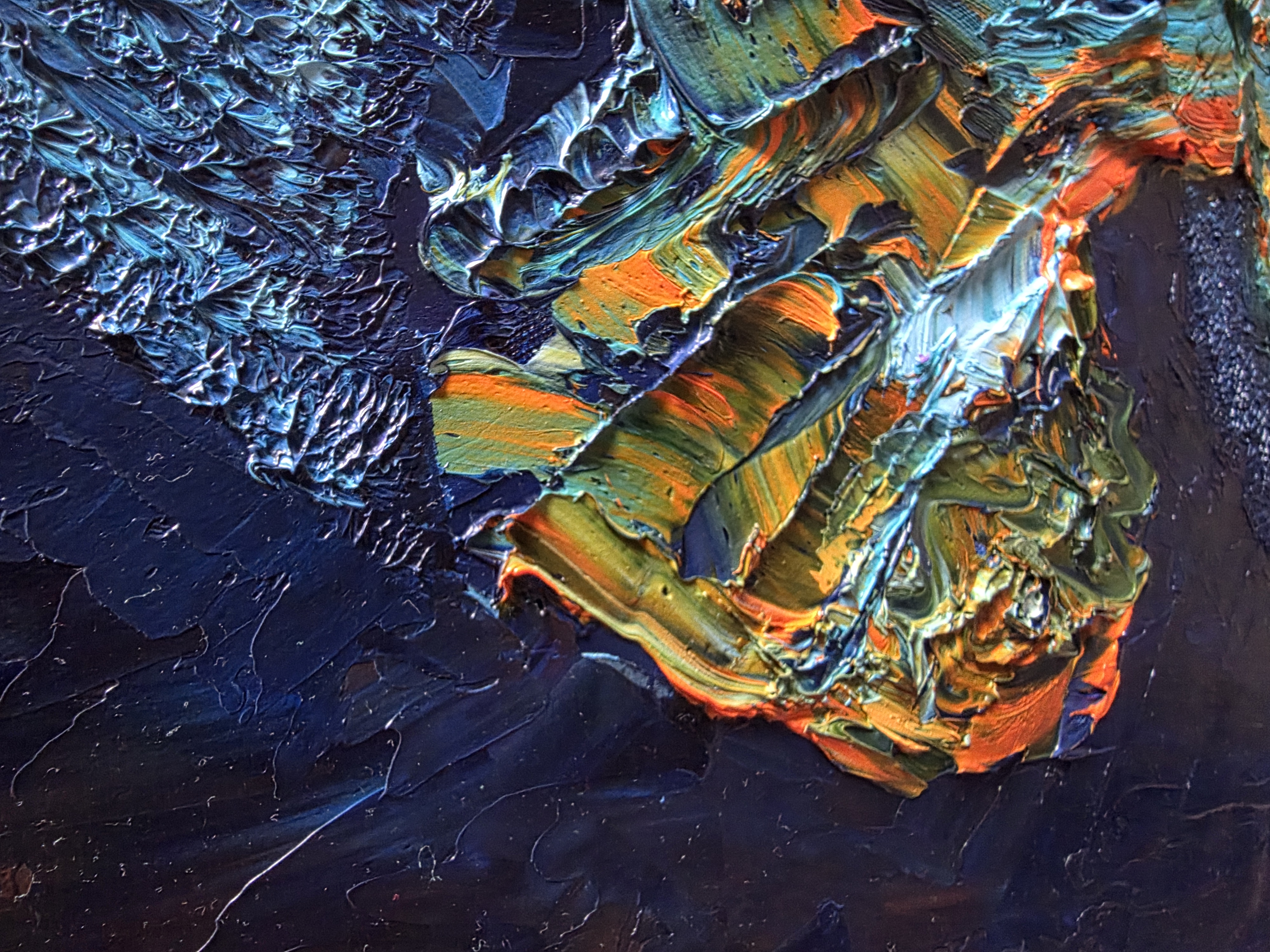
Primeste lectia.
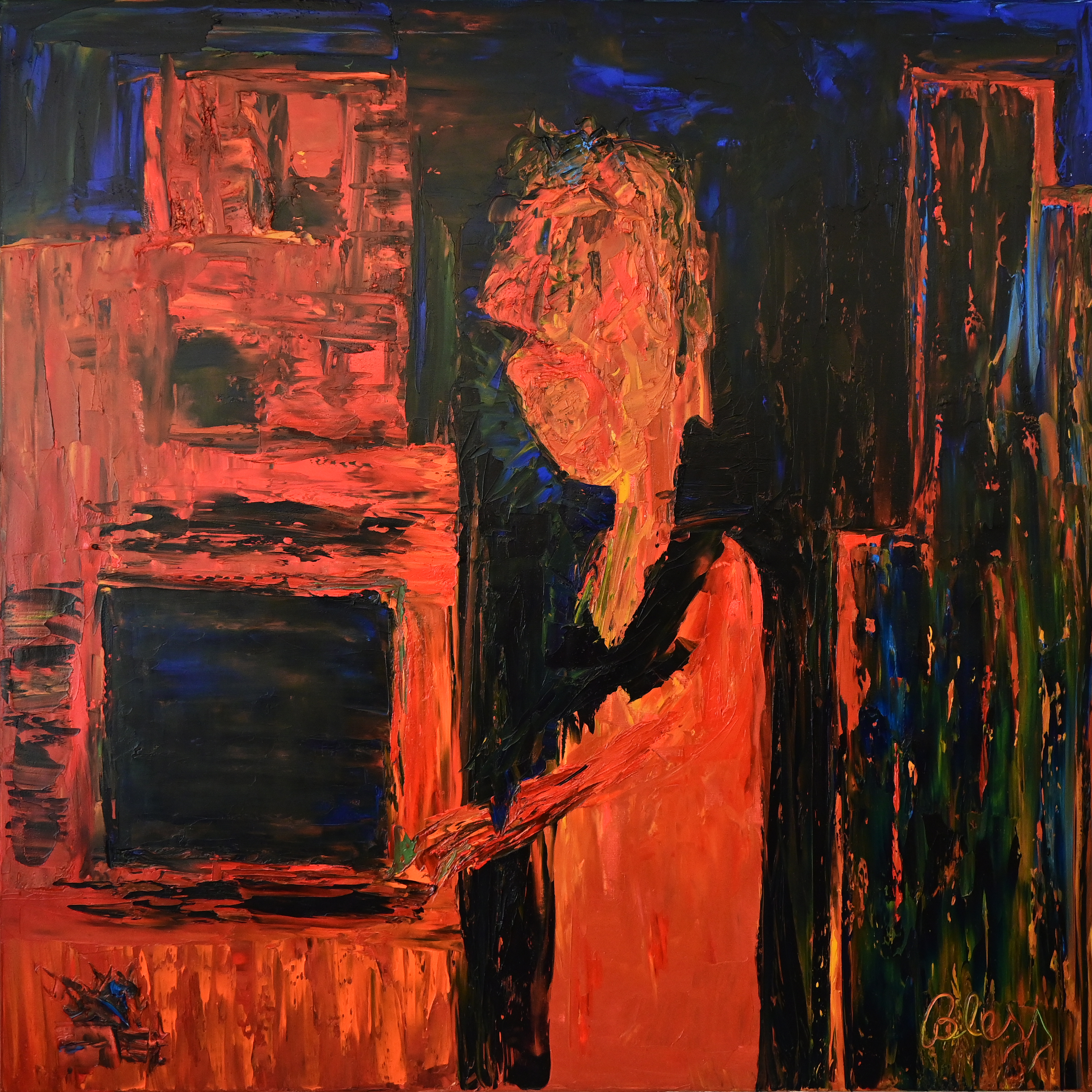
Narrow windows.
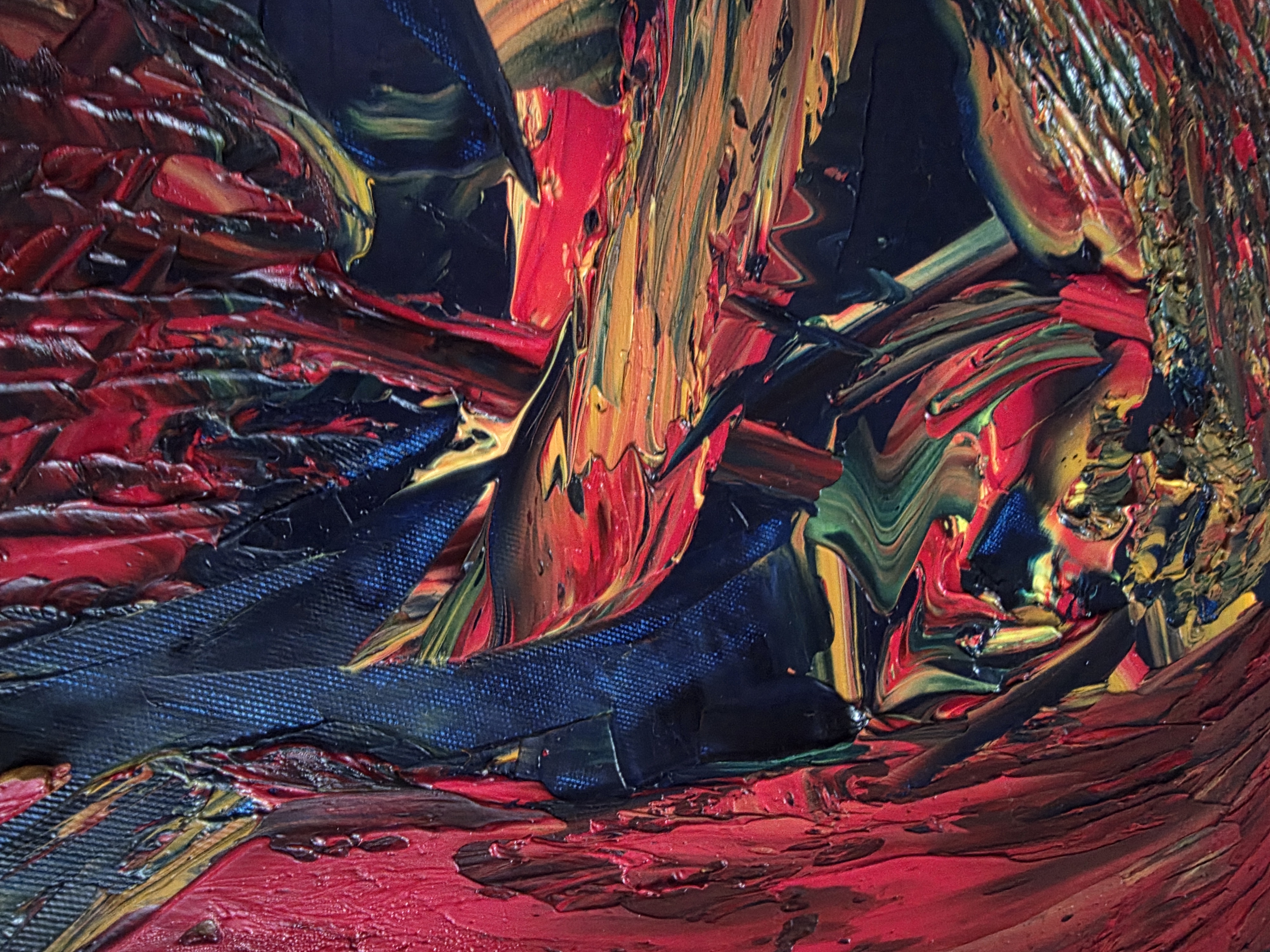
The Forgetting of Meaning.
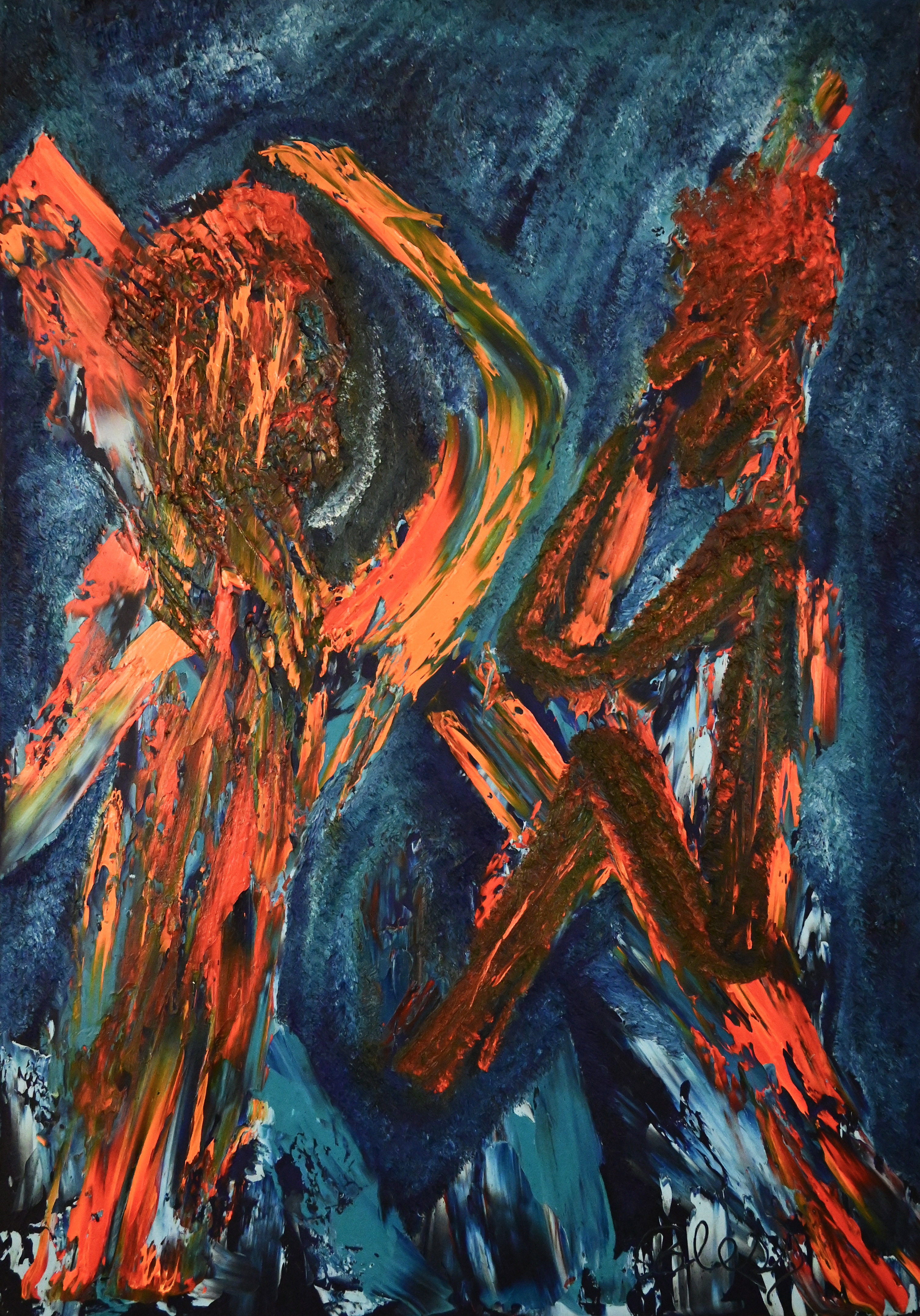
Diagonala care taie.
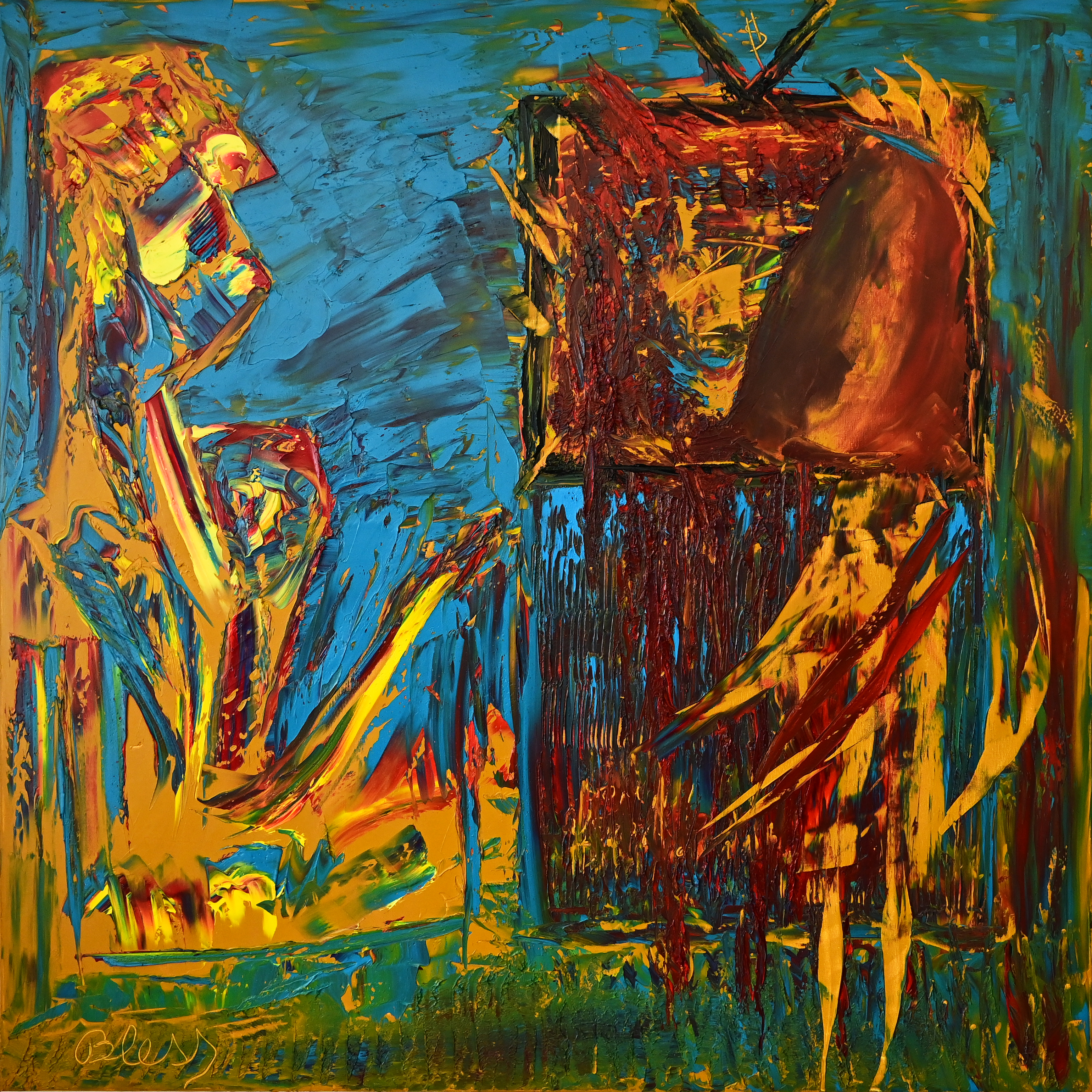
The contemporary man.
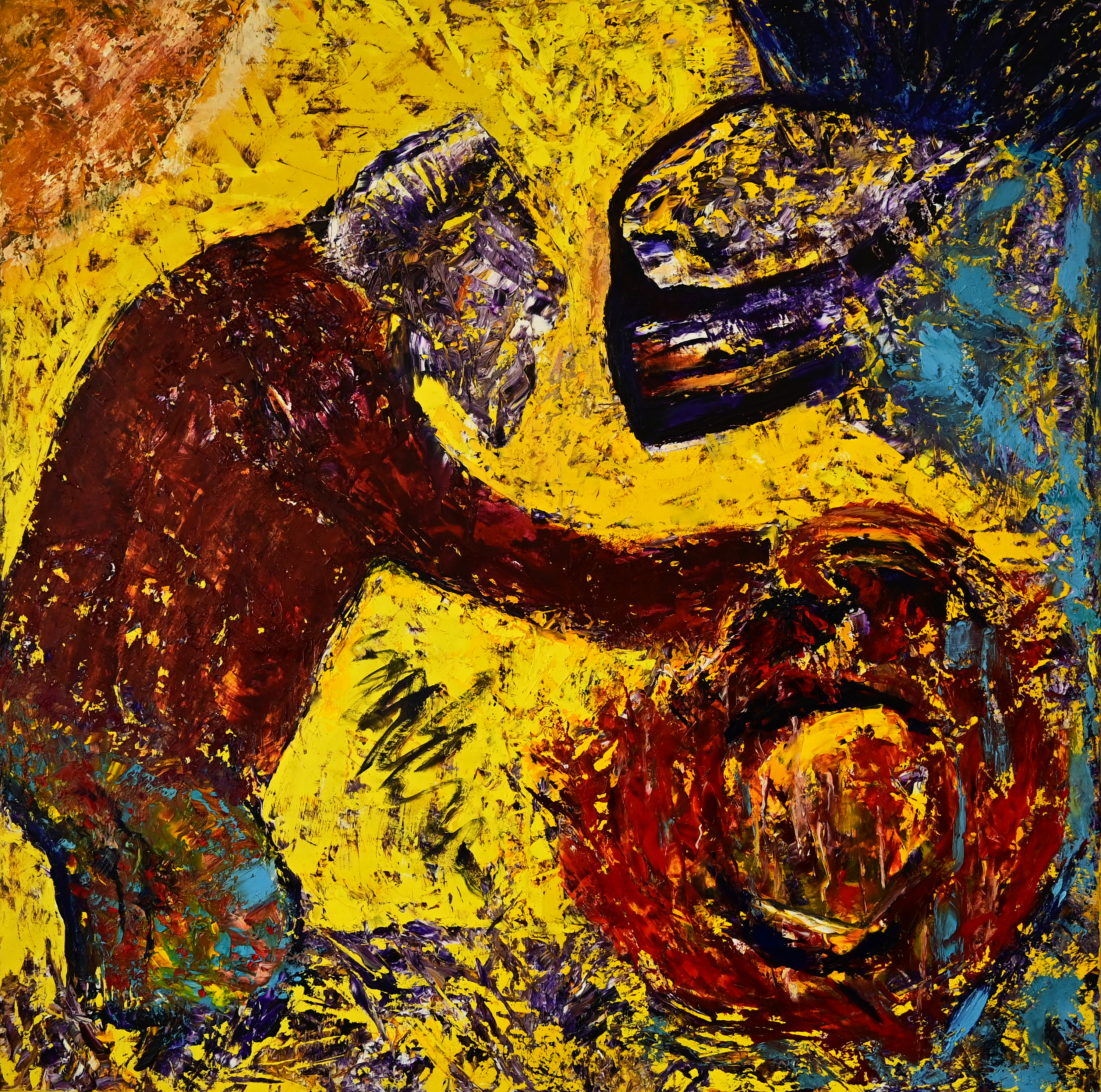
The modern man.
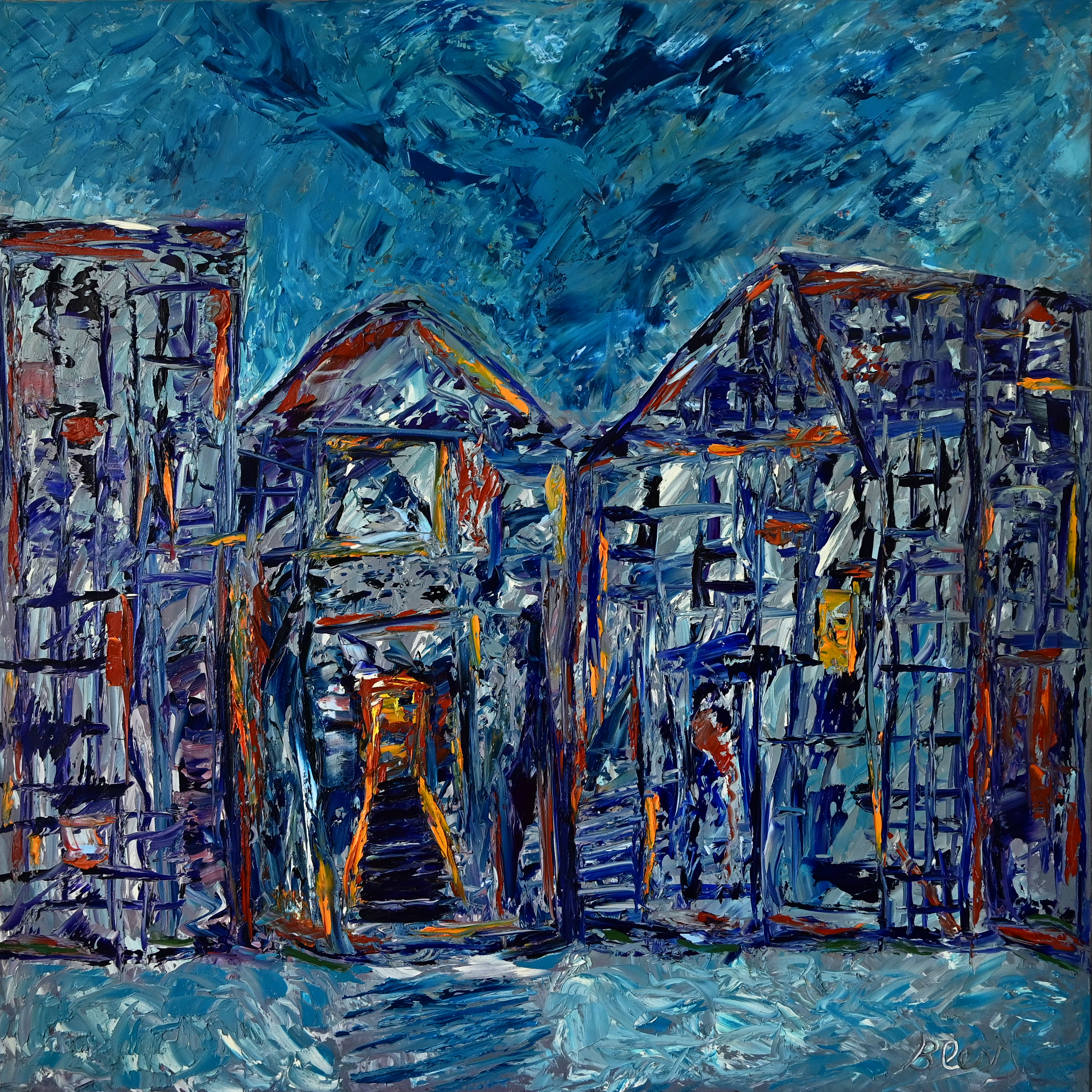
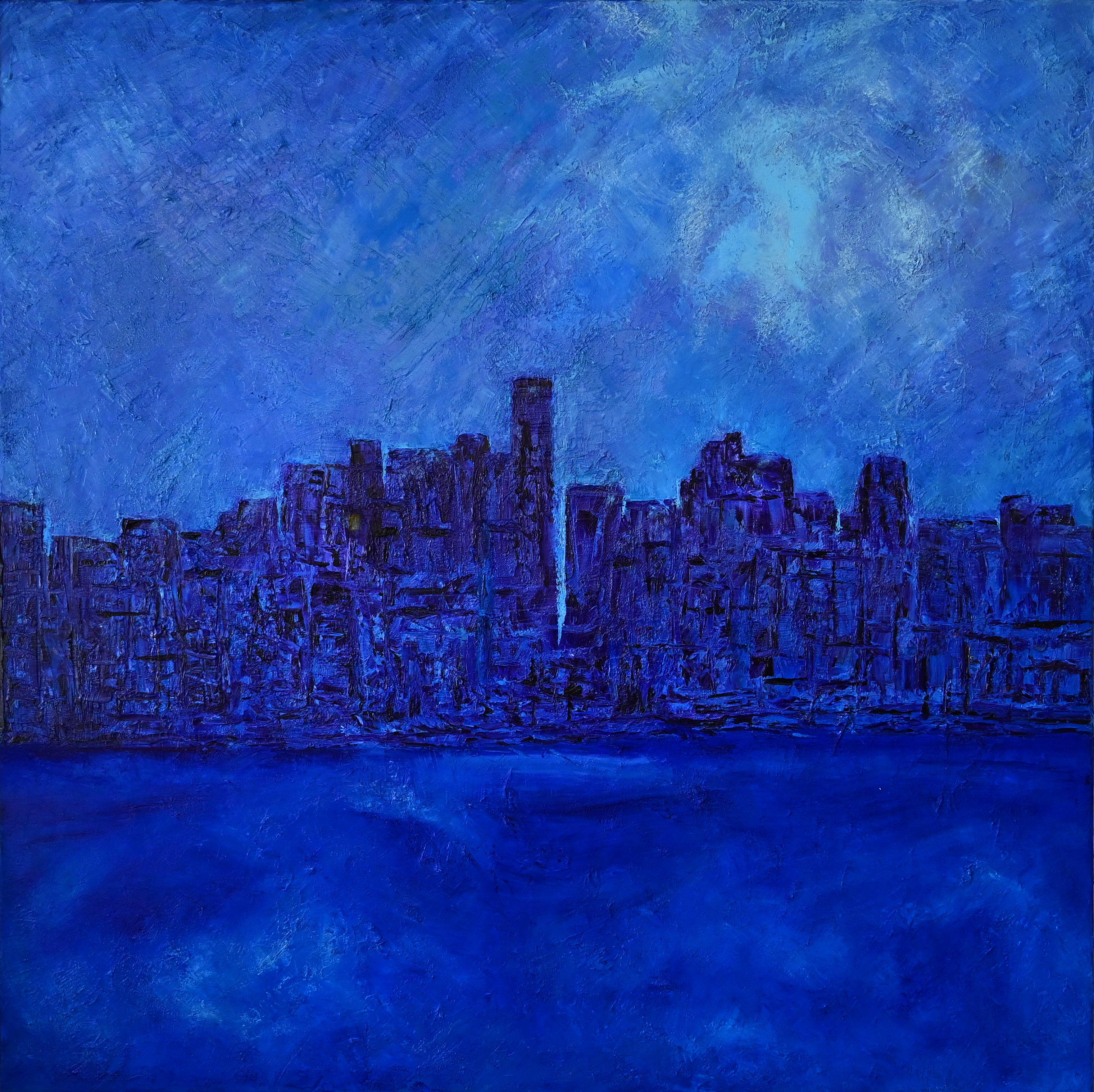
There are works that are born from gesture and there are works that accumulate, layer upon layer, until they begin to resemble a place. Here, the space gains memory, and each form seems to be a construction raised from a lived experience and retained in matter. The verticals hold the tension, while the cool color opens an inner light that flows between structures like a suspended time. In the middle, the path becomes an invitation, a road that leads to something that cannot be explained but is felt. This city is not about architecture; it is about state. About how the mind constructs realities, traverses them, and leaves them behind without losing them.
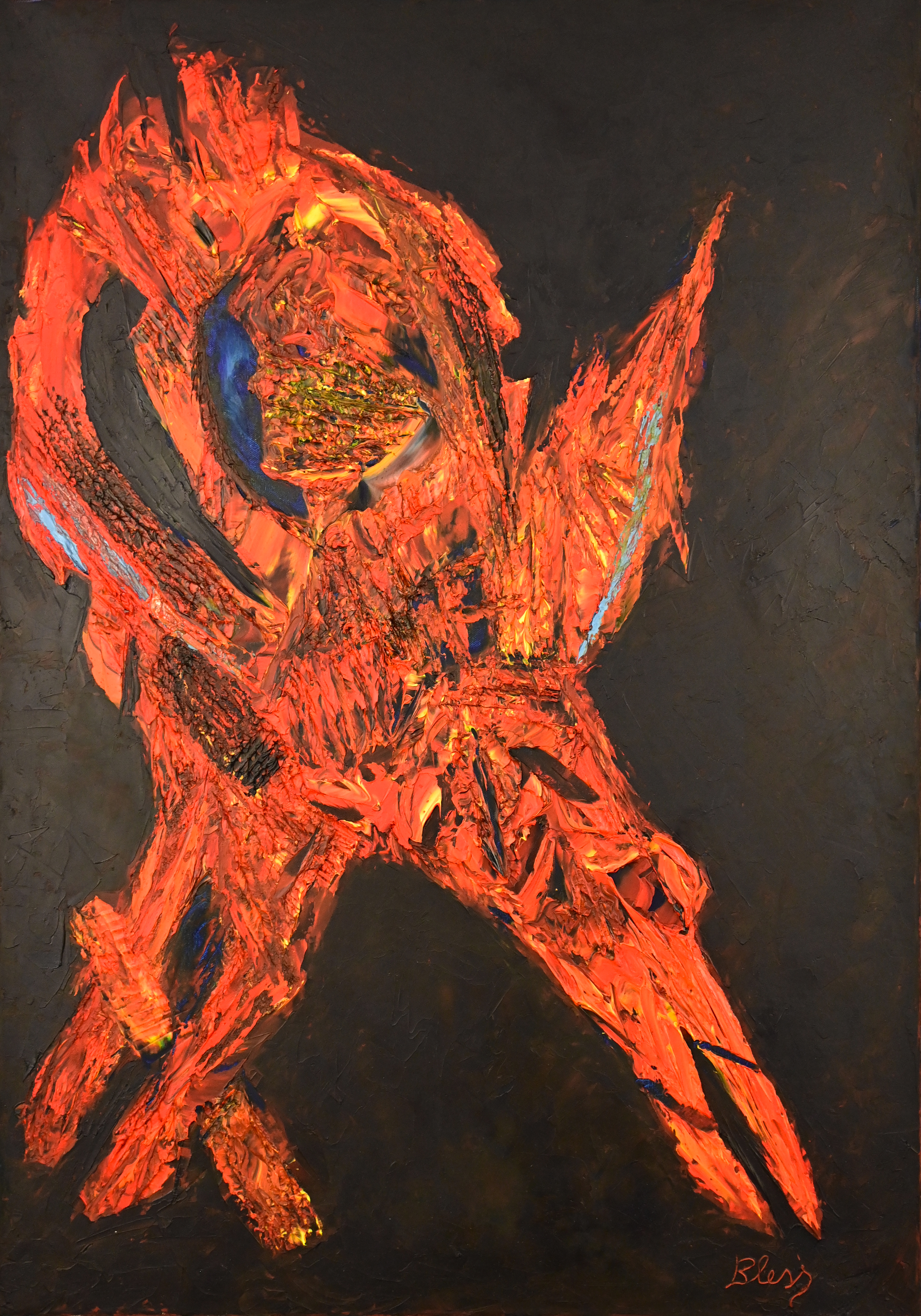
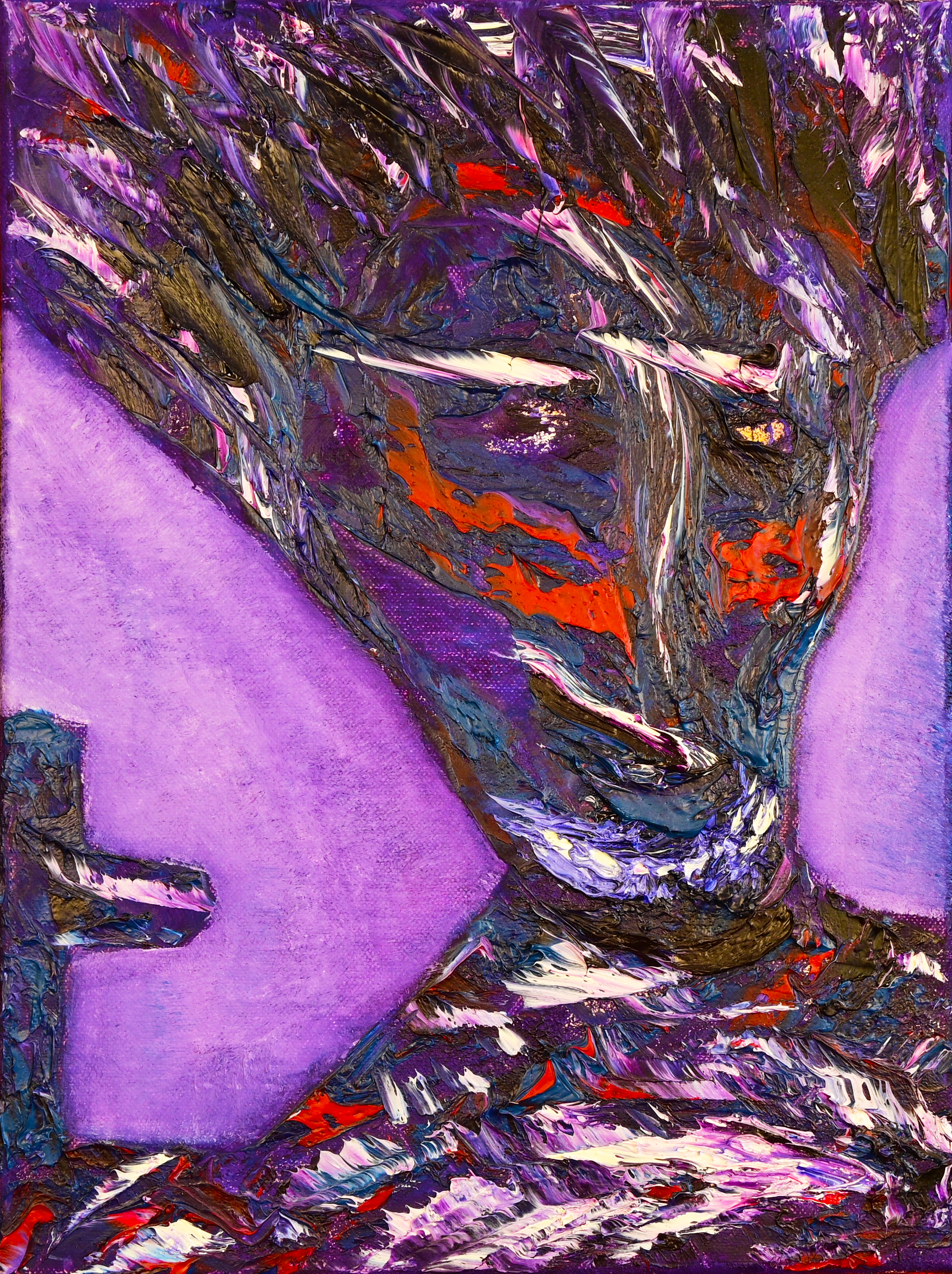
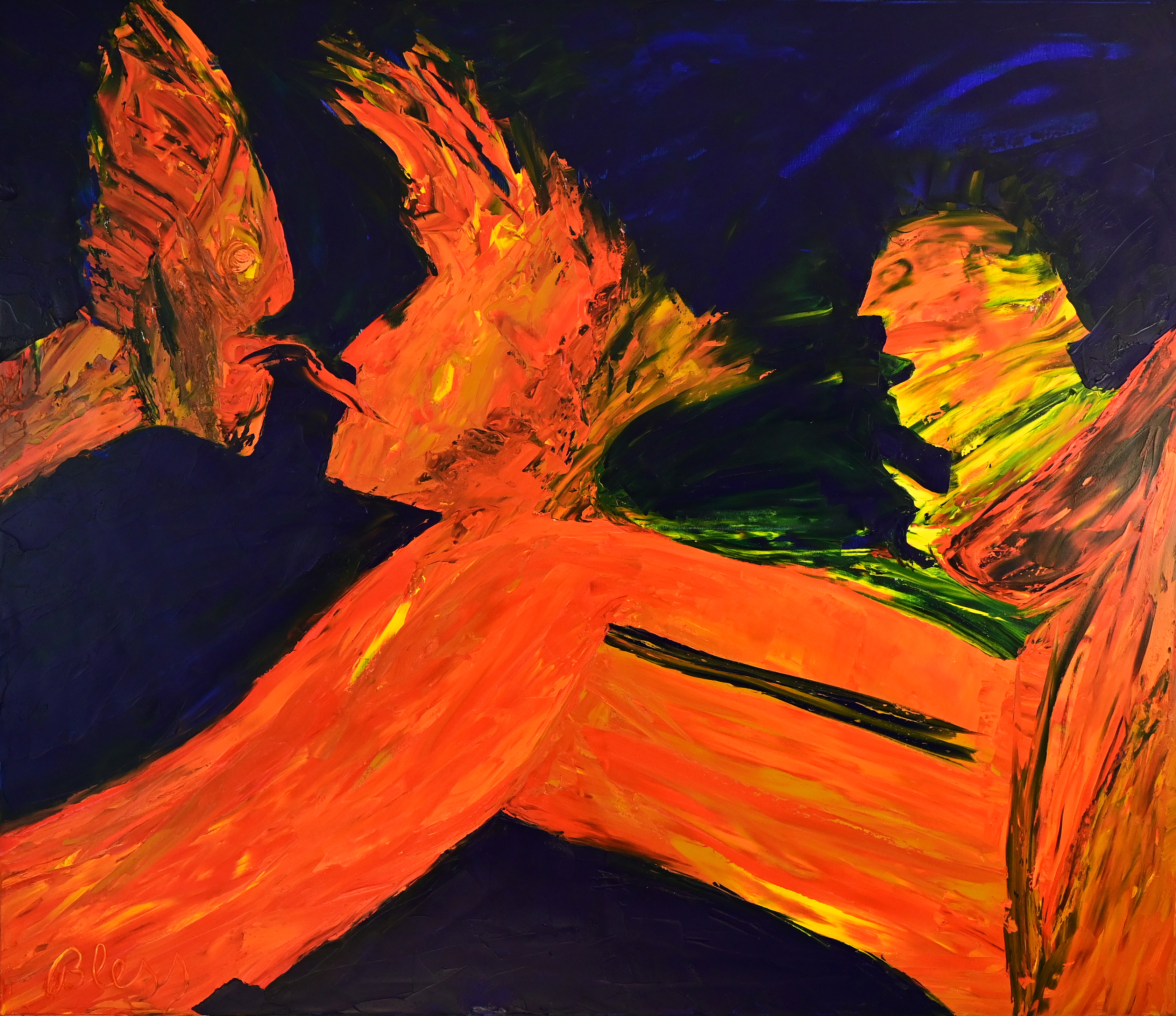
There are images that appear as a message, and this form carries the urgency of a revelation. The fragmented body becomes language, and the wings, taut between light and wound, convey a movement that belongs not to space, but to meaning. At the center of the composition, matter seems to burn to make way for a presence that is not explained, but announced. The messenger does not come from the outside, but rises from within the tension, from that place where consciousness takes shape and begins to speak through image. Each stroke contains a direction, each rupture opens a path, and the figure asserts its existence as a sign sent to the viewer. Here, painting becomes an act of transmission. It does not describe, does not illustrate, but delivers an energy that demands to be recognized. In front of it, the gaze does not contemplate, but receives.
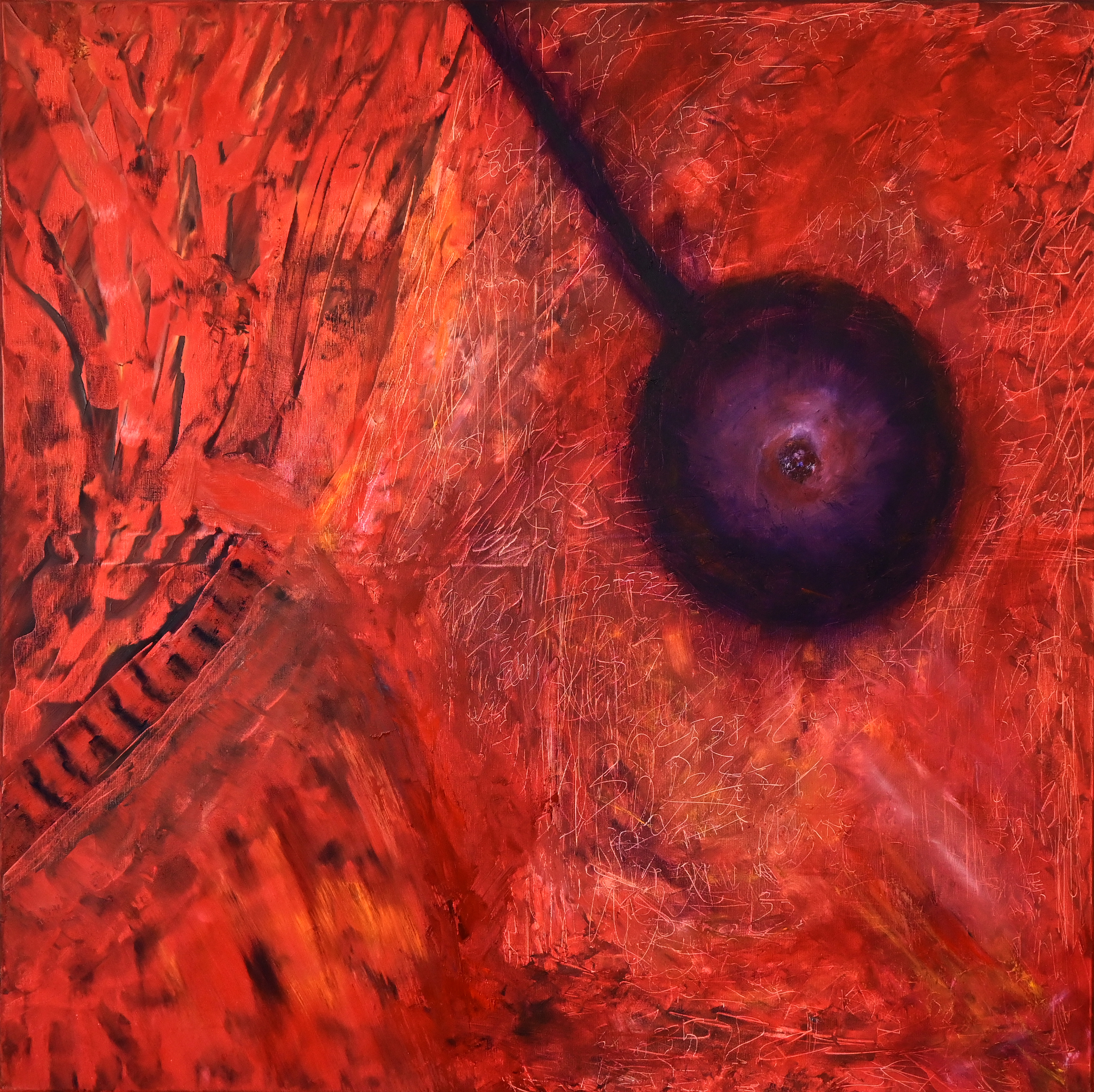
What remains.
A will that shapes.
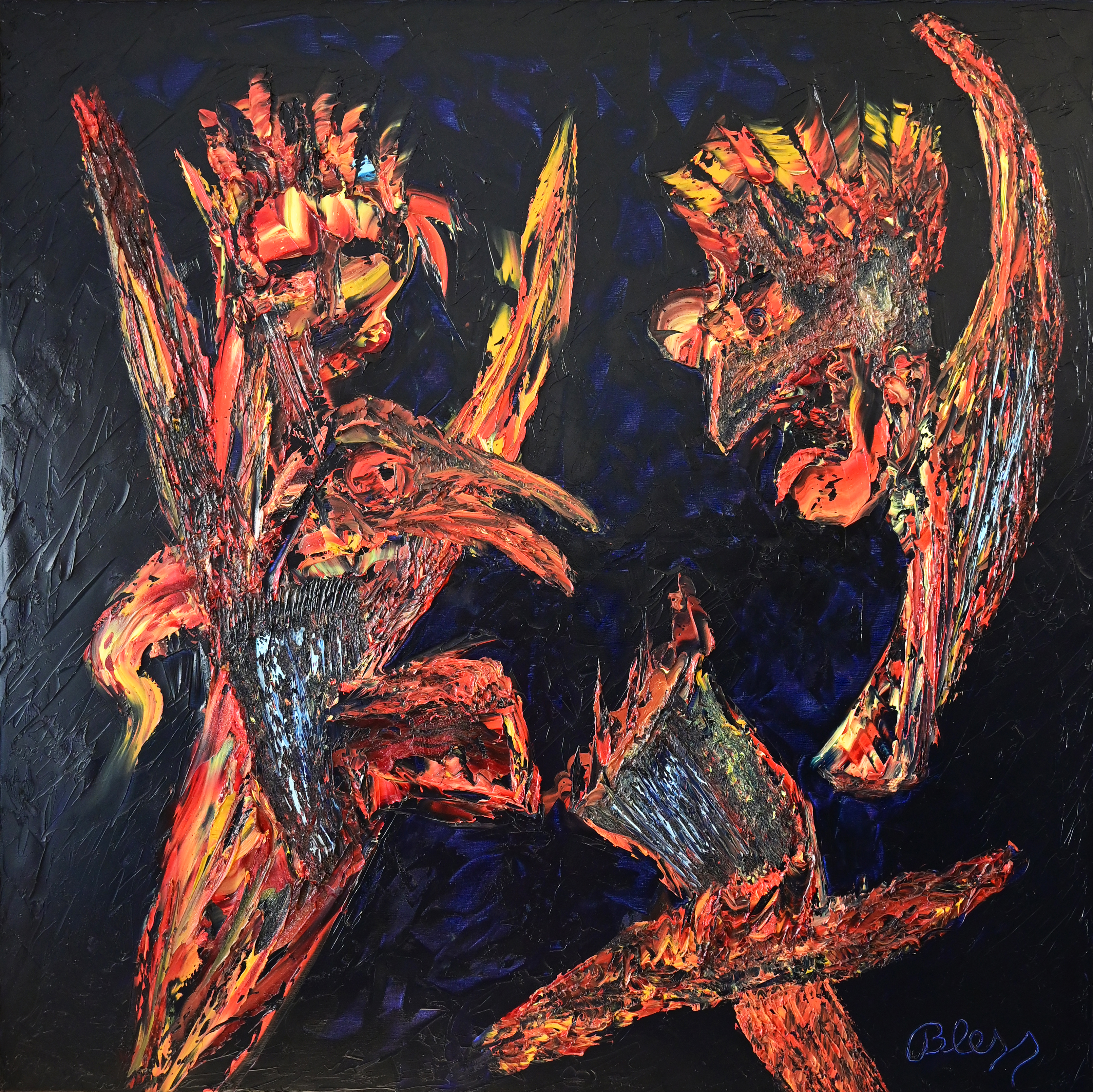
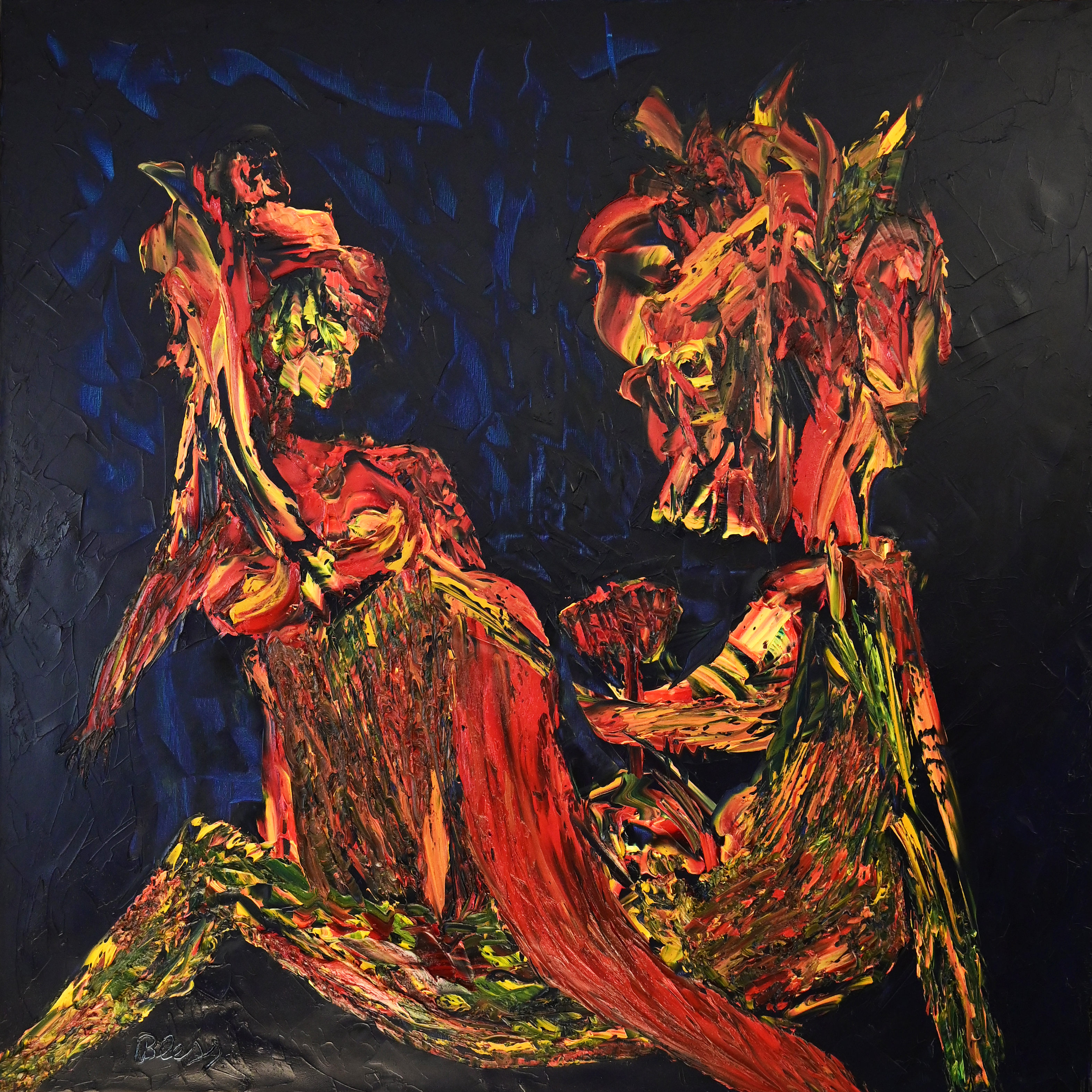
Two forms confront each other.
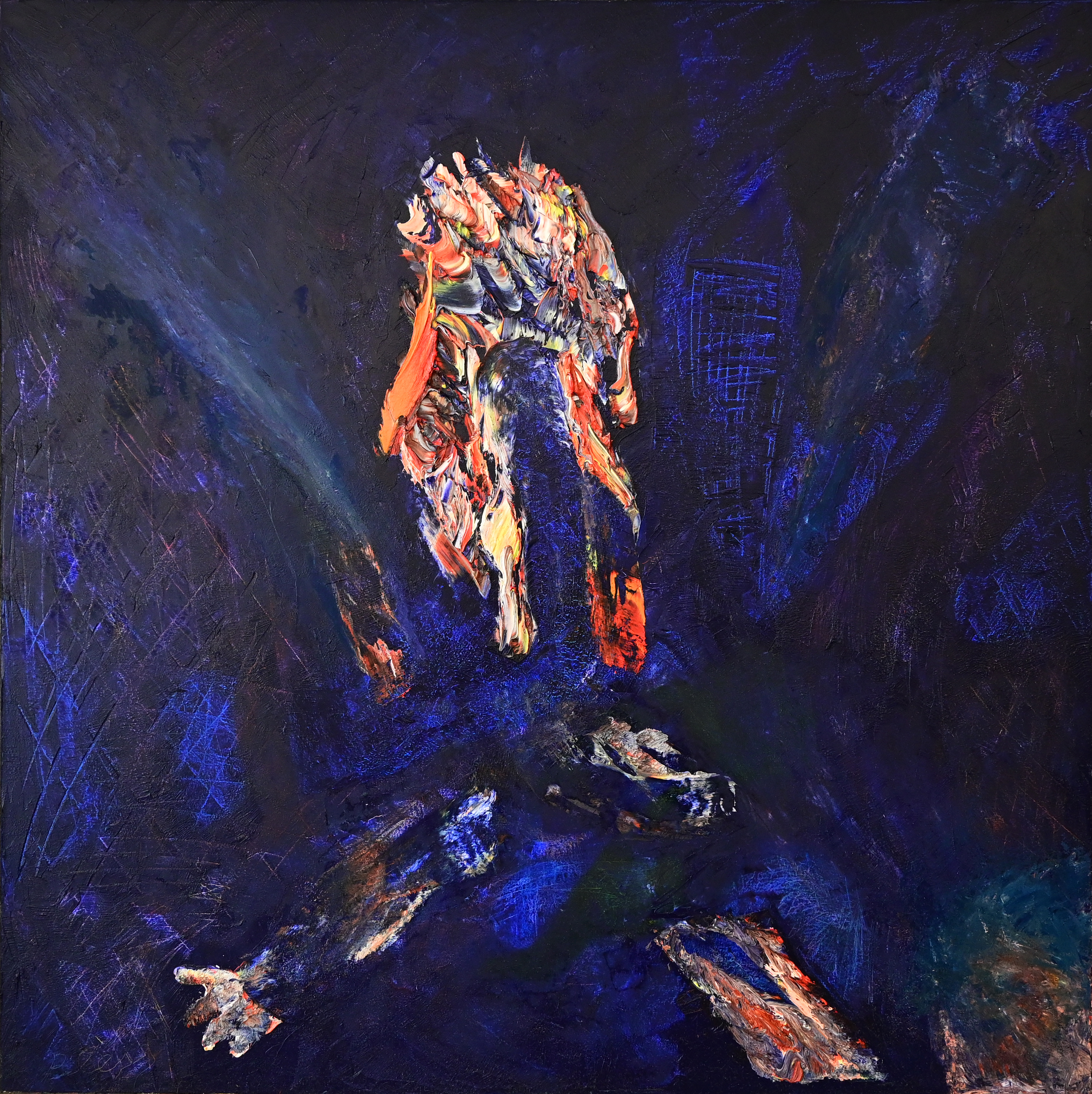
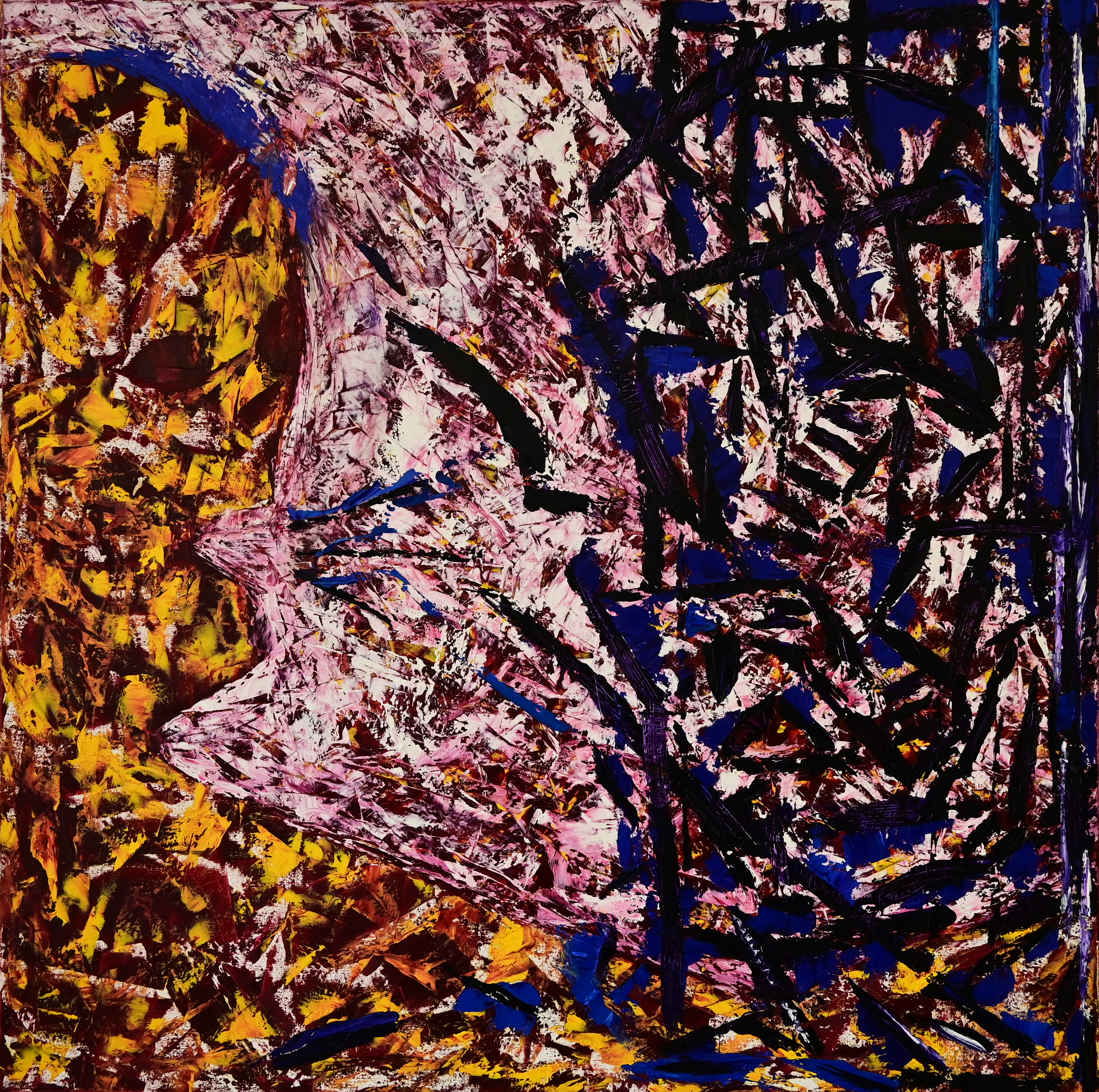
A contemporary reinterpretation of one of the strongest symbols of Romanian heritage. "The Helmet from Coțofenești" becomes, in this work, an expression of memory, identity, and internal fragmentation.